
When it comes to lighting, the choices can be a bit overwhelming. Understanding the subtleties between soft white and daylight light bulbs is essential for creating the right ambiance in your space. Each type serves distinct purposes based on its Kelvin rating, influencing both mood and functionality. Curious about which bulb suits your needs best? Let’s break down their characteristics and ideal applications.
Understanding Kelvin and Light Temperature
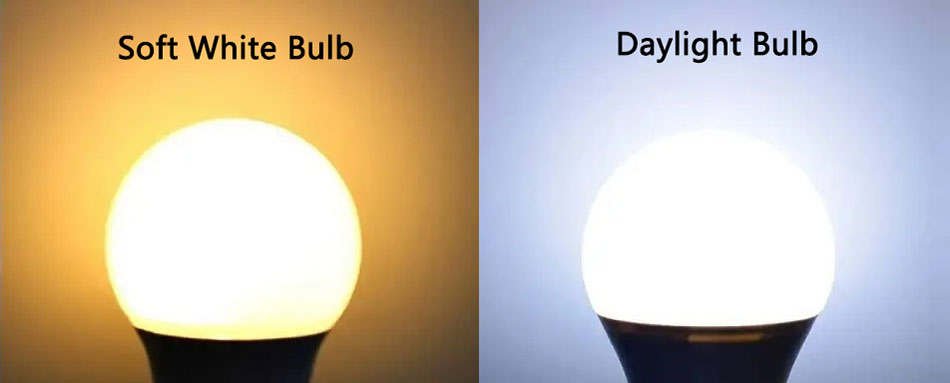
When you consider the quality of light in your space, understanding Kelvin and light temperature becomes crucial.
Kelvin measures light temperature, influencing the overall ambiance of your home. Lower Kelvins, around 2,000 to 3,000, create warm, cozy tones perfect for intimate settings. In contrast, higher Kelvins, reaching up to 6,500, emit cooler, blue-leaning light that enhances visibility and focus.
In modern lighting design, utilizing this knowledge helps tailor your home lighting design to match your desired atmosphere. Selecting the right temperature for specific areas guarantees that each room serves its purpose effectively, whether you aim for relaxation or productivity.
Characteristics of Soft White Light Bulbs

Soft white light bulbs are designed to emit a warm, inviting glow that enhances the comfort of any space. Typically ranging from 2,000 to 3,000 Kelvins, these bulbs produce a soft, yellowish light that creates a cozy atmosphere.
They’re perfect for decorative lighting in living rooms, fostering a welcoming environment for gatherings and relaxation. Soft white light bulbs reduce harsh shadows and minimize eye strain, making them ideal for spaces where you unwind or socialize.
Their versatility allows for effective use in bedrooms, dining areas, and reading nooks, enhancing overall comfort. By choosing soft white bulbs, you can elevate the ambiance of your home while ensuring a soothing and harmonious lighting experience.
Characteristics of Daylight Light Bulbs
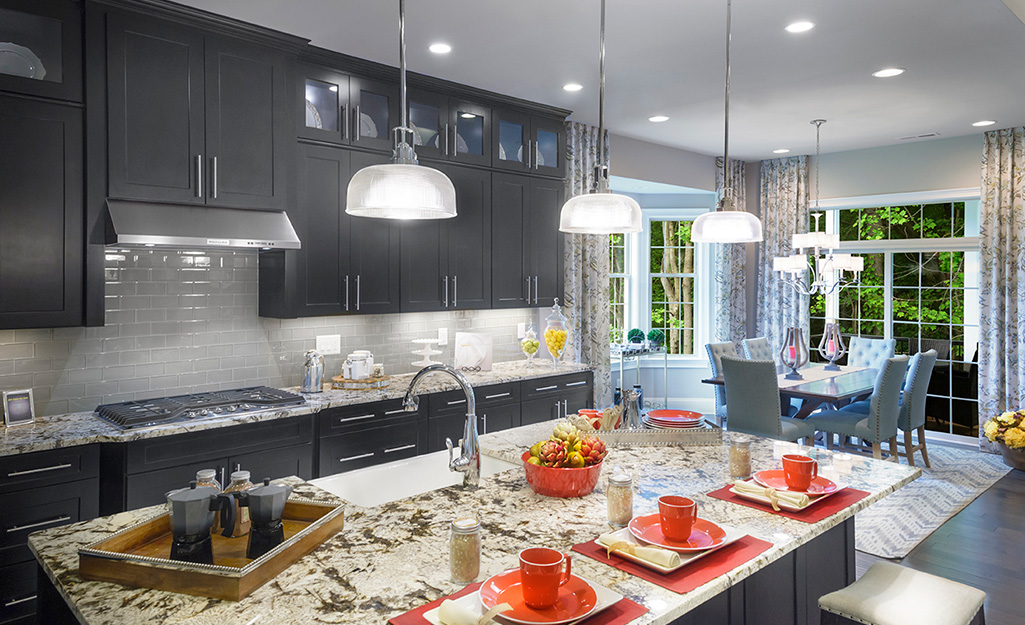
Daylight light bulbs, typically ranging from 5,500 to 6,500 Kelvins, provide a bright, clean illumination that mimics natural daylight.
These daylight bulbs emit a crisp, white light that enhances visibility, making them ideal for task-oriented spaces like kitchens and home offices. Their cooler tone not only boosts productivity but also brings a modern touch to your decor, especially when paired with modern lighting chandeliers.
You’ll find that using daylight bulbs can transform your space, offering lighting inspiration that aligns with contemporary design trends. Additionally, their color rendering capabilities improve the appearance of colors, ensuring your environment feels vibrant and fresh.
Embrace daylight bulbs for a lively, energizing atmosphere in your home.
Best Uses for Soft White Bulbs
:max_bytes(150000):strip_icc()/sculpture-lamp-office-0721-2000-0a5161d2b80a4a3888d3041c6b6cc1d9.jpg)
Although light bulb choices may seem minor, selecting soft white bulbs can greatly enhance the ambiance of your home.
These bulbs, with their warm, cozy glow, are perfect for spaces designed for relaxation and intimacy. In bedrooms, soft white bulbs create a serene environment conducive to rest.
They’re also ideal for living rooms where you entertain guests, contributing to a welcoming atmosphere. Incorporating them in reading nooks enhances comfort, allowing you to enjoy books without harsh glare.
Additionally, soft white bulbs suit dining areas, promoting a relaxed vibe during meals. If you’re embracing modern farmhouse lighting, these bulbs seamlessly blend with rustic decor, enhancing your design living experience while ensuring your space feels inviting and warm.
Best Uses for Daylight Bulbs
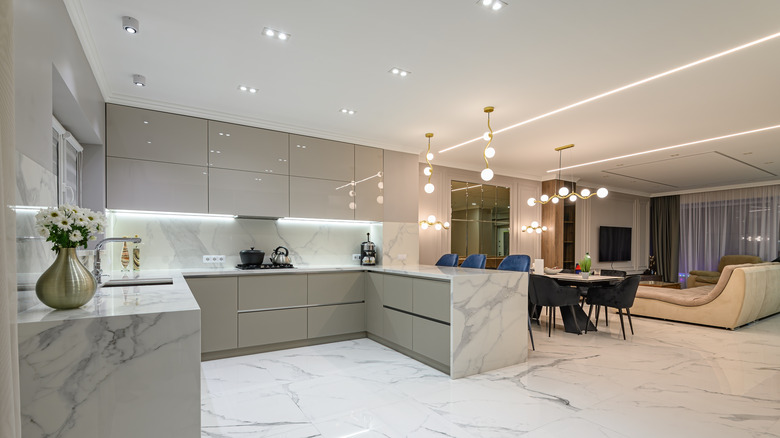
When you need bright, focused lighting for specific tasks, daylight bulbs are an excellent choice. Their higher Kelvin range of 5,500 to 6,500 makes them ideal for environments where clarity and precision matter.
Use daylight bulbs in your kitchen to enhance visibility while cooking, or in a home office to boost productivity and reduce eye strain. They’re also perfect for laundry rooms and bathrooms, ensuring you have the light needed for detailed tasks.
If you’re incorporating a modern house exterior with sleek black interior design, daylight bulbs provide the crisp illumination that complements contemporary aesthetics.
Frequently Asked Questions
Are There Health Benefits to Using Daylight Bulbs Over Soft White Bulbs?
Using daylight bulbs can improve alertness and mood, mimicking natural sunlight. This enhances productivity and well-being, particularly in workspaces. Soft white bulbs, while cozy, don’t provide the same cognitive benefits. Tailor your lighting for best health.
How Long Do Soft White and Daylight Bulbs Typically Last?
Soft white and daylight bulbs generally last between 10,000 to 25,000 hours, depending on usage and quality. Choosing high-efficiency options can maximize lifespan and reduce replacement frequency, ensuring consistent lighting performance for your spaces.
Can I Use Dimmers With Both Bulb Types?
Can you imagine the flexibility dimmers bring to your lighting? You can use dimmers with both soft white and daylight bulbs, enhancing ambiance while allowing for customized brightness levels tailored to your specific needs and preferences.
Do Soft White and Daylight Bulbs Consume the Same Energy?
Soft white and daylight bulbs can consume similar energy, depending on their wattage. However, efficiency varies by brand and type. Always check the packaging for specific energy consumption details to optimize your choices effectively.
What Are the Environmental Impacts of Each Bulb Type?
Did you know LED bulbs can reduce energy consumption by up to 80%? Soft white bulbs generally offer lower environmental impacts than traditional incandescent, while daylight bulbs, though brighter, can still be energy-efficient depending on usage.
