
Imagine your garden transformed into a mesmerizing twilight oasis, where every path glows softly and each plant stands out in subtle brilliance. When it comes to installing landscape lighting, the choices you make can greatly impact both the aesthetics and functionality of your outdoor space. You’ll want to navigate the essential do’s and don’ts to achieve the perfect balance. What are the key factors that will guarantee your project shines, rather than blinds?
Planning and Layout Considerations

When planning your landscape lighting, it’s essential to assess both practical and aesthetic needs to create a harmonious outdoor space.
Start by illuminating walkways, staircases, and entryways for safety. Highlight focal points like unique trees or water features to enhance visual interest.
Consider the unique layout of your property; this will guide your fixture placement. Aim for a balanced design that complements your home’s architecture while creating an inviting atmosphere.
Use a mix of lighting techniques, such as uplighting and downlighting, to add depth. Planning your lighting layout before installation not only guarantees efficiency but also allows for innovative design.
Keep the overall vision in mind to achieve a stunning and functional landscape lighting scheme that captivates.
Weather-Resistant Fixture Selection

When selecting fixtures for your landscape lighting, prioritize materials that withstand harsh weather conditions.
Consider how design and style not only complement your outdoor aesthetic but also enhance durability and performance.
Material Durability Considerations
Durability is essential in selecting weather-resistant fixtures for your landscape lighting, as these components must withstand the elements year-round.
Look for materials like stainless steel, aluminum, or high-grade plastic, which resist rust and corrosion. Consider UV-resistant coatings that prevent fading and degradation from sun exposure.
Confirm your fixtures have a high IP rating, indicating resistance to dust and moisture. Opt for tempered glass lenses that can endure impacts and harsh weather conditions.
Don’t forget to check warranties, as reputable manufacturers often stand behind their products.
Investing in quality weather-resistant fixtures not only enhances your landscape but also reduces maintenance needs, allowing you to enjoy the beauty of your outdoor space without constant worry.
Fixture Design and Style
While selecting weather-resistant fixtures for your landscape lighting, you’ll want to balance aesthetics with functionality.
Look for unique light fixtures that not only withstand harsh weather but also enhance your outdoor space. Consider fixture design and style that harmonizes with your landscape’s natural elements. Sleek, modern designs can provide a striking contrast against rustic surroundings, while timeless styles may complement traditional architecture.
Choose materials like stainless steel or powder-coated aluminum for durability, and guarantee finishes resist fading and corrosion.
Additionally, pay attention to the light’s output—warm white tones can create an inviting atmosphere, enhancing the beauty of your garden.
Weather Adaptability and Performance
Selecting weather-resistant fixtures is essential for ensuring your landscape lighting performs well throughout the seasons.
These fixtures are engineered to withstand harsh conditions, from heavy rain to intense sun, maintaining their integrity and functionality. When choosing, consider materials like stainless steel or durable plastics that resist rust and corrosion.
Look for an IP rating that indicates water and dust resistance, ensuring longevity under variable climates. Additionally, select fixtures with UV-protected finishes to prevent fading.
Prioritize designs that blend with your landscape while providing ideal illumination. By investing in quality weather-resistant fixtures, you’ll enhance your outdoor aesthetic while guaranteeing consistent performance, regardless of what Mother Nature throws your way.
Feature Focus and Effective Fixture Placement
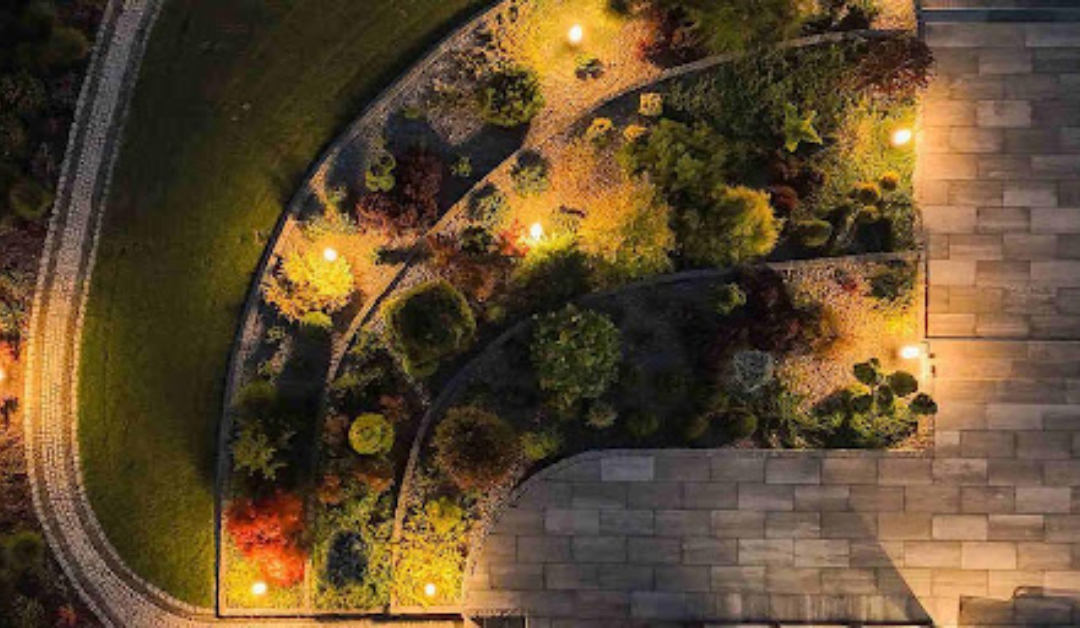
How can you guarantee your landscape lighting truly enhances the beauty of your outdoor spaces? Start with feature focus and effective fixture placement.
Prioritize illuminating your house, then spotlight unique features like flower beds and water elements. Use warm tones in your entrance lighting to create a cohesive ambiance.
Employ layering techniques to add depth, ensuring even light distribution without oversaturation. Maintain proper spacing between fixtures to avoid clutter and light pollution.
For pathway lighting, incorporate various textures and colors to elevate the visual experience.
This thoughtful approach not only showcases your landscape but also provides stunning lighting inspiration, transforming your outdoor areas into enchanting, inviting spaces.
Enhancing Safety and Functionality

When you’re planning your landscape lighting, think about illuminating pathways to guarantee safe movement around your property.
Secure your entryways and exits with well-placed fixtures that welcome guests while deterring unwanted visitors.
Illuminate Pathways Effectively
To effectively illuminate pathways, you’ll want to focus on both safety and aesthetics, making certain that each step is clearly visible while enhancing your landscape’s appeal.
Strategic pathway lighting not only guides the way but also adds a welcoming touch to your outdoor space.
- Opt for low-level lights to prevent glare and maintain a cozy ambiance.
- Use solar or LED fixtures for energy efficiency and sustainability.
- Incorporate smart controls to adjust brightness based on time or occupancy.
- Choose fixtures that complement your landscape’s design and color palette.
- Regularly maintain and clean lights to guarantee ideal functionality.
Secure Entryways and Exits
While enhancing the safety and functionality of your entryways and exits, effective lighting plays an essential role in creating a secure and inviting atmosphere.
Consider using strategically placed lights that illuminate doorways, pathways, and staircases, guaranteeing a well-lit approach. Opt for energy-efficient outdoor fixtures that complement your indoor lighting, maintaining a cohesive design.
Layer your lighting with wall-mounted fixtures and ground lights to highlight architectural features. Use warm tones to foster a welcoming environment while enhancing visibility.
Don’t forget to maintain these fixtures regularly; clean them and replace burnt-out bulbs promptly.
Finally, make sure your lighting design aligns with the unique layout of your property, creating a secure ambiance that invites guests in while deterring unwanted visitors.
Maintain Clear Visibility Zones
Creating clear visibility zones is essential for enhancing both safety and functionality in your outdoor spaces. You want to guarantee that every pathway and entrance is well-lit to prevent accidents and improve navigation.
Here are key points to take into account:
- Illuminate walkways, staircases, and entryways to enhance safety and visibility.
- Use directional lighting to highlight potential hazards, like uneven surfaces.
- Maintain a consistent brightness level across all zones to avoid abrupt contrasts.
- Regularly trim back foliage that may obstruct light or create shadowy areas.
- Incorporate smart lighting solutions, such as motion sensors, for added security.
Common Mistakes to Avoid
As you commence your landscape lighting project, it’s crucial to steer clear of common pitfalls that can undermine your efforts. One major mistake is neglecting proper light placement; angles can drastically affect ambiance and functionality.
Using inappropriate wattage can lead to glaring hotspots or dim areas, throwing off your design. Don’t ignore local lighting regulations; they guarantee safety and community standards.
Additionally, failing to incorporate timers and controls can lead to energy waste. Over-lighting is another common error—keep your atmosphere cozy and inviting.
Finally, always follow manufacturer guidelines during installation; they’re key to achieving peak performance.
Best Practices for Landscape Lighting
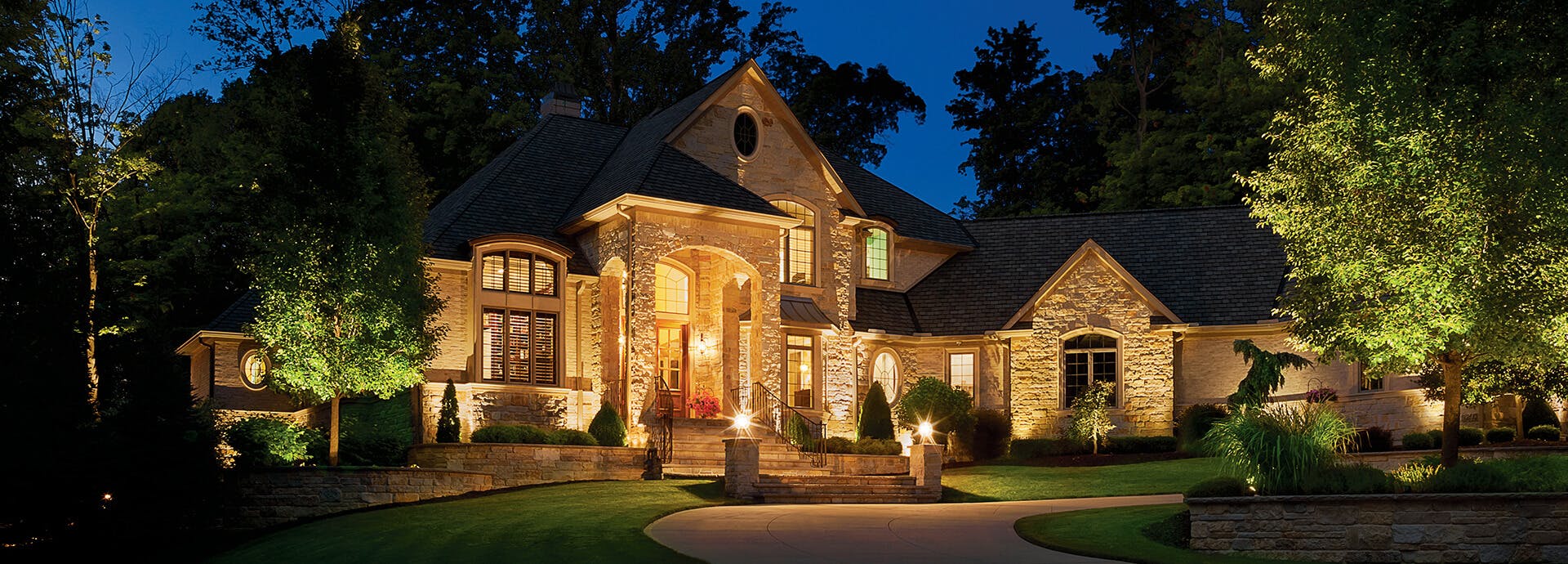
To achieve an exceptional landscape lighting design, you need to focus on a few best practices that elevate both safety and aesthetics.
By integrating thoughtful strategies, your outdoor space will shine while serving functional purposes. Consider these essential tips:
- Plan your layout strategically, prioritizing walkways and entry points.
- Choose weather-resistant fixtures that align with local conditions.
- Highlight focal features like trees or water elements with appropriate lighting techniques.
- Guarantee even light distribution to avoid dark spots or glare.
- Embrace energy-efficient options to enhance sustainability.
Implementing these best practices won’t only enhance your landscape lighting but also create a welcoming environment that invites exploration and enjoyment.
Maintenance and Seasonal Checks
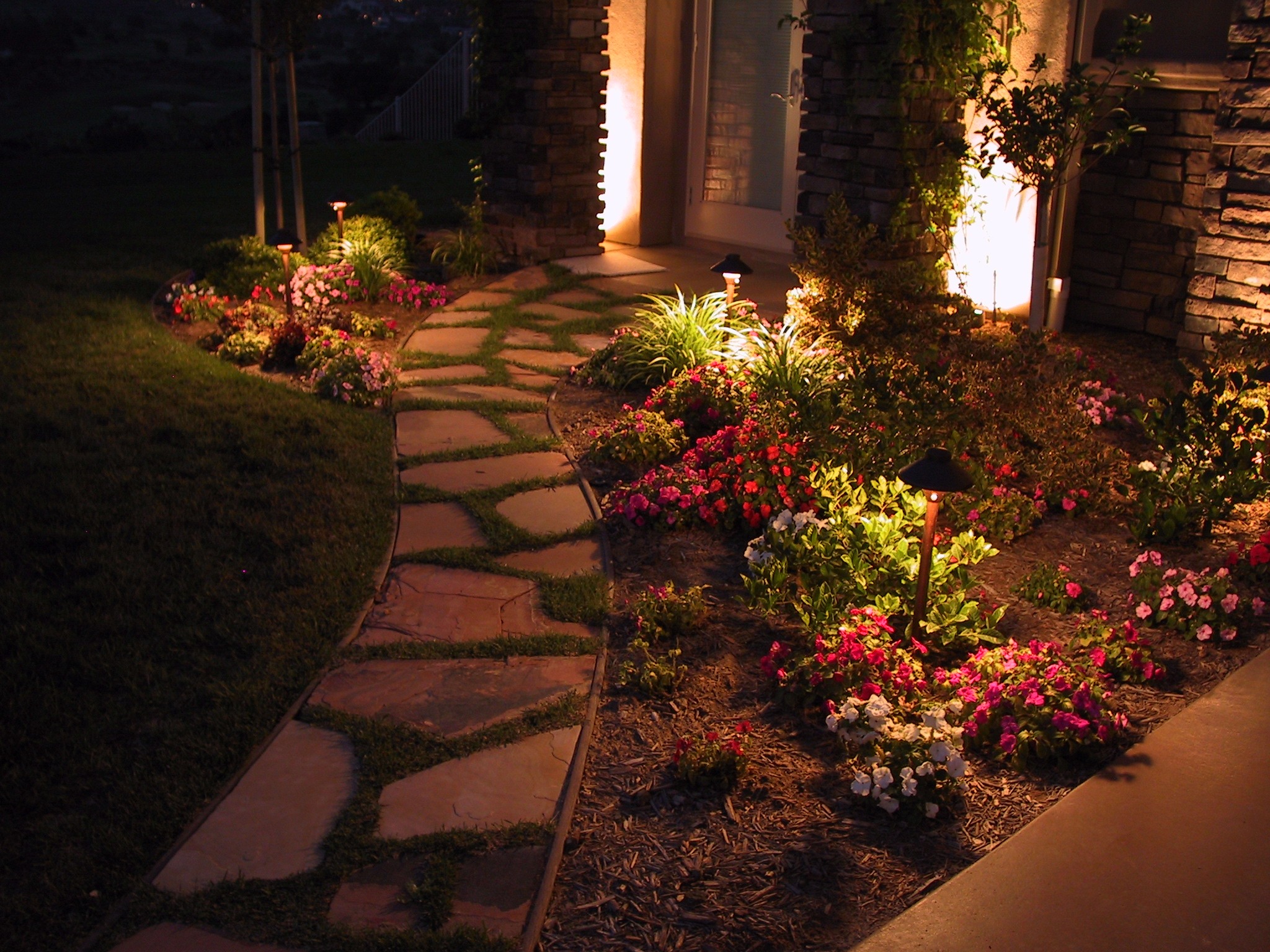
With your landscape lighting design in place, maintaining its brilliance and functionality requires attention throughout the seasons.
Regular maintenance and seasonal checks are essential to guarantee your home lighting remains both effective and visually appealing. Start by inspecting fixtures for wear and tear, cleaning them to prevent buildup that can diminish brightness.
Replace burnt-out bulbs promptly to keep your landscape aglow. During seasonal checks, assess wiring and connections for safety, and trim any foliage obstructing light paths.
Don’t forget to adjust timers for daylight savings or seasonal changes. By committing to this proactive approach, you’ll enhance your outdoor ambiance, ensuring that your landscape lighting continues to shine brightly, season after season.
Frequently Asked Questions
What Are the Best Energy-Efficient Lighting Options for Outdoor Spaces?
For outdoor spaces, consider LED fixtures, solar-powered lights, and motion-sensor options. These energy-efficient choices provide brightness while reducing costs, allowing you to innovate your landscape’s aesthetic without compromising sustainability or functionality.
How Can I Choose Fixtures That Complement My Landscaping Style?
To choose fixtures that complement your landscaping style, consider the materials, colors, and shapes in your garden. Select designs that enhance your home’s architecture while offering functional lighting that harmonizes with the outdoor environment.
What Is the Ideal Height for Installing Outdoor Lights?
When illuminating your outdoor space, aim for fixtures at six to eight feet high, maximizing light’s reach. This height creates a celestial ambiance, enhancing beauty while ensuring safety and functionality throughout your enchanting landscape.
How Do I Determine the Right Brightness Level for Different Areas?
To determine the right brightness level, assess each area’s function. For pathways, use softer lights; for focal points, opt for brighter fixtures. Experiment with different wattages and adjust until you achieve a harmonious, inviting atmosphere.
Are There Specific Local Regulations for Landscape Lighting Installation?
You should definitely check local regulations before installing landscape lighting. Compliance guarantees safety and helps avoid fines, while innovative designs can still shine within guidelines. Embrace creativity, but don’t overlook the rules governing your area!
