
Creating a pollinator-friendly garden is fun and easy! For bright colors and buzzing activity, try planting lavender, coneflower, black-eyed Susan, milkweed, and bee balm. These plants attract bees, butterflies, and even hummingbirds! They thrive in sunny spots and well-drained soil, requiring minimal care. Add zinnias, salvia, and asters to mix things up and further support your local pollinators. With just a little effort, you’ll have a vibrant garden full of life and beauty. Discover more plant options you can include!
Highlights
- Lavender attracts bees and butterflies while providing beauty and essential oils that repel pests.
- Coneflower blooms vibrantly from summer to fall, attracting various pollinators and requiring minimal care.
- Black-eyed Susan features cheerful yellow flowers, easy to grow, and supports beneficial insects while providing bird food in winter.
- Milkweed is crucial for monarch butterflies, thriving in sunny spots and attracting various beneficial insects with its fragrant flowers.
- Bee Balm attracts bees, butterflies, and hummingbirds, adding vibrant color and thriving in full sun with well-drained soil.
Lavender
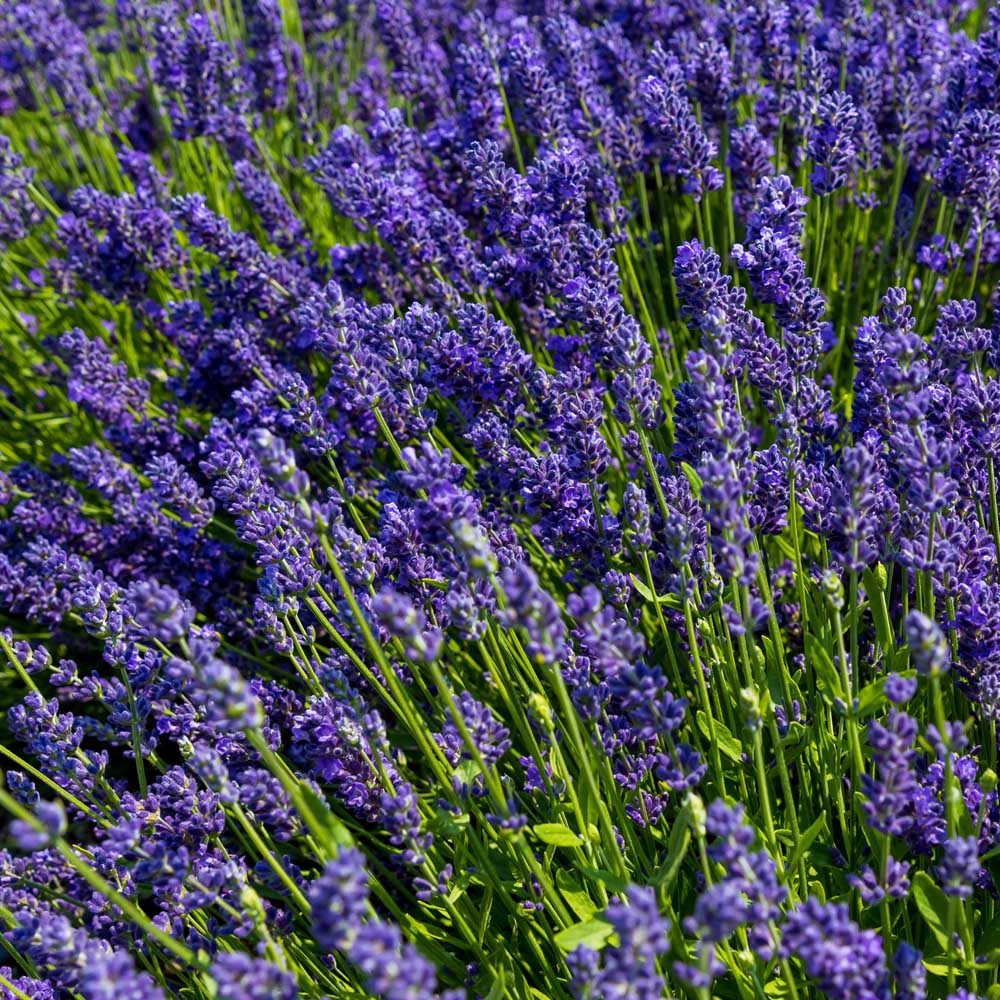
Lavender isn’t just a pretty flower; it’s a superstar when it comes to attracting pollinators like bees and butterflies! Planting lavender in your garden can create a lively atmosphere filled with buzzing and fluttering. This fragrant herb thrives in sunny spots and well-drained soil, making it easy to grow. You’ll love how its purple blooms not only add beauty but also provide food for pollinators throughout the summer. Plus, lavender’s essential oils can help repel pests, which is a bonus for your garden. To get the most out of your lavender, regularly prune the plants to encourage new growth and more flowers. So, why not add some lavender to your garden and watch the magic happen?
Coneflower

If you’re looking to attract even more pollinators to your garden, consider planting coneflowers! These vibrant flowers are not only beautiful, but they also provide food for bees, butterflies, and other pollinators. Coneflowers thrive in sunny spots and are drought-tolerant, making them easy to care for. Plus, they bloom from summer into fall, giving your garden color for months.
Here are some coneflower varieties you might enjoy:
| Variety | Color |
|---|---|
| Purple Coneflower | Purple |
| White Swan | White |
| Sunrise | Orange/Yellow |
Planting a mix of these can create a stunning display while supporting your local ecosystem. Get started with coneflowers, and watch your garden come alive!
Black-eyed Susan
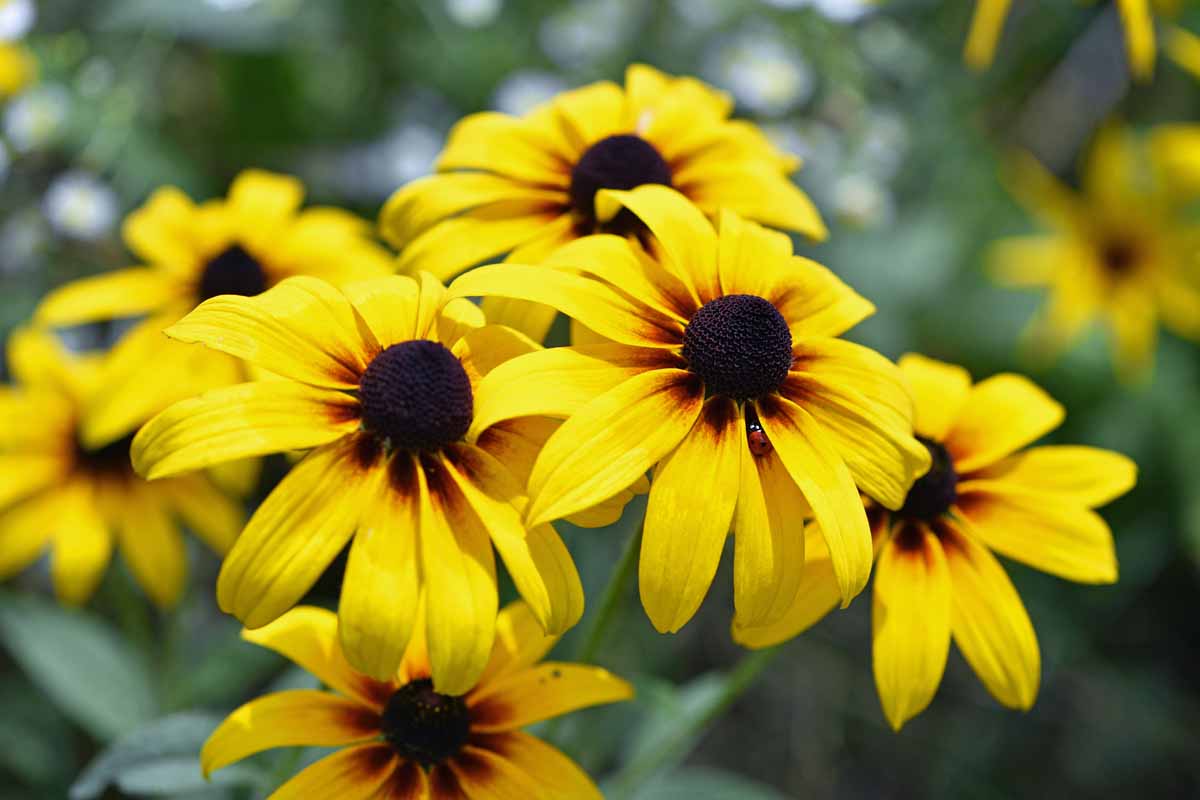
Black-eyed Susans are a fantastic addition to any garden, especially if you want to attract pollinators! These cheerful yellow flowers bloom from summer to fall, providing a vibrant splash of color. They’re easy to grow and thrive in various soil types, making them perfect for any gardener. Just plant them in a sunny spot, and they’ll flourish with minimal care.
You’ll notice bees, butterflies, and other pollinators visiting frequently, enjoying their nectar. Plus, Black-eyed Susans can also help improve your garden’s overall health by attracting beneficial insects. When they’re done blooming, their seed heads provide food for birds in the winter. So, consider adding Black-eyed Susans to your garden and watch your pollinator visitors thrive!
Milkweed

Milkweed is a must-have plant for any garden aiming to support pollinators, especially monarch butterflies! These beautiful insects rely on milkweed for food and a place to lay their eggs. By planting it, you’re creating a safe haven for them. Milkweed comes in various species, like Common and Swamp milkweed, which thrive in different conditions. They’re easy to grow in sunny spots with well-drained soil. Just be sure to water them regularly, especially during dry spells. Plus, their fragrant flowers attract not just monarchs, but also bees and other beneficial insects. You’ll feel great knowing you’re helping essential pollinators while adding color and beauty to your garden. So, plant some milkweed and watch the magic unfold!
Bee Balm
:max_bytes(150000):strip_icc()/bee-balm-growing-guide-5204121-hero-530cd469e4e54b939d87ba4a5915ca32.jpg)
Bee Balm is a fantastic addition to any garden that’s looking to attract pollinators, especially bees and hummingbirds! This vibrant plant not only adds color but also provides an essential nectar source. Here are three reasons why you should grow Bee Balm:
- Attracts Pollinators: Its bright flowers draw in bees, butterflies, and hummingbirds, helping your garden thrive.
- Easy to Grow: Bee Balm prefers full sun and well-drained soil. It’s a hardy perennial that can withstand varying conditions.
- Medicinal Benefits: Traditionally, Bee Balm has been used for its calming and antiseptic properties, making it a great addition to your herbal garden.
Zinnia

Zinnias are a colorful and cheerful addition to any garden, perfect for attracting a variety of pollinators. These hardy flowers bloom all summer long, providing a continuous source of nectar for bees, butterflies, and hummingbirds. Plant zinnias in well-drained soil with plenty of sunlight, and you’ll see them thrive. They come in various sizes and colors, so you can create a vibrant display that suits your style. Don’t forget to deadhead spent blooms to encourage more flowers and extend the blooming period. Zinnias are also easy to grow from seeds, making them a great choice for beginners. By adding zinnias to your garden, you’ll not only brighten your space but also support essential pollinators in your area.
Salvia

When you’re looking to attract pollinators to your garden, salvia is an excellent choice that shouldn’t be overlooked. This vibrant plant not only adds color but also provides a rich source of nectar for bees, butterflies, and hummingbirds.
Here are three reasons to include salvia in your garden:
- Diverse Varieties: With numerous species, you can choose from various colors and sizes, ensuring a perfect fit for your space.
- Low Maintenance: Salvia is drought-resistant and thrives in poor soil, making it easy to care for.
- Long Blooming Season: These plants flower from spring to fall, giving pollinators a reliable food source throughout the growing season.
Aster

Asters are a fantastic addition to any garden, especially if you want to attract pollinators. These vibrant flowers bloom in late summer and fall, providing an essential food source for bees, butterflies, and other insects when many plants have finished flowering. Asters come in various colors, including purple, blue, and white, adding beauty to your garden.
To grow asters, choose a sunny spot with well-drained soil. They’re easy to maintain, needing only regular watering and occasional deadheading to encourage more blooms. You can plant them in groups for a stunning display that’ll draw in pollinators. Plus, they’re perennial, so you’ll enjoy their beauty year after year. Adding asters to your garden is a simple way to support local wildlife!
Frequently Asked Questions
How Often Should I Water Pollinator-Friendly Plants?
You should water your pollinator-friendly plants about once a week, but keep an eye on the weather. If it’s hot or windy, you might need to water more often. Make sure the soil feels dry an inch down before watering. When you do water, give them a good soak to encourage deep roots. This way, your plants stay healthy and ready to attract those important pollinators to your garden!
Can I Grow These Plants in Containers?
Yes, you can definitely grow these plants in containers! Just make sure your containers are large enough to support the roots and have good drainage. Use a quality potting mix and place them in a sunny spot. Water them regularly, especially during hot weather. Remember to choose plants that thrive in your climate. With a little care, your container garden can attract pollinators and add beauty to your space!
What Soil Type Is Best for These Plants?
To grow your plants successfully, you’ll want well-draining soil that’s rich in organic matter. A mix of potting soil and compost works great! This combination keeps moisture in while allowing excess water to escape. If you’re using containers, make sure they have drainage holes. Testing the soil’s pH can also help; most plants prefer a slightly acidic to neutral pH. With the right soil, your plants will thrive and attract pollinators!
Are These Plants Deer-Resistant?
Did you know that around 30% of people have issues with deer in their gardens? If you’re worried about deer munching on your plants, you’ll be glad to know that many of these plants are deer-resistant. While no plant is completely safe, options like lavender and sage tend to be less appealing to deer. By choosing these, you can help keep your garden flourishing without constant worry about deer damage.
How Do I Attract More Pollinators to My Garden?
To attract more pollinators to your garden, start by planting a variety of colorful flowers like daisies, lavender, and sunflowers. These plants provide nectar and pollen. Make sure to plant in clusters, so it’s easier for pollinators to spot them. Avoid using pesticides, as they can harm these beneficial creatures. Finally, consider adding a water source, like a shallow dish with stones, to give pollinators a place to drink. They’ll love it!
