
When it comes to choosing between soft white and warm white bulbs, understanding their color temperatures is essential. Soft white bulbs provide a cozy, inviting glow, perfect for relaxation areas, while warm white bulbs offer clarity and focus, ideal for task-oriented spaces. Knowing how to match the right bulb to your room’s purpose can enhance both its functionality and aesthetic appeal. But what factors should you consider when making this choice?
Understanding Color Temperature: Soft White Vs Warm White
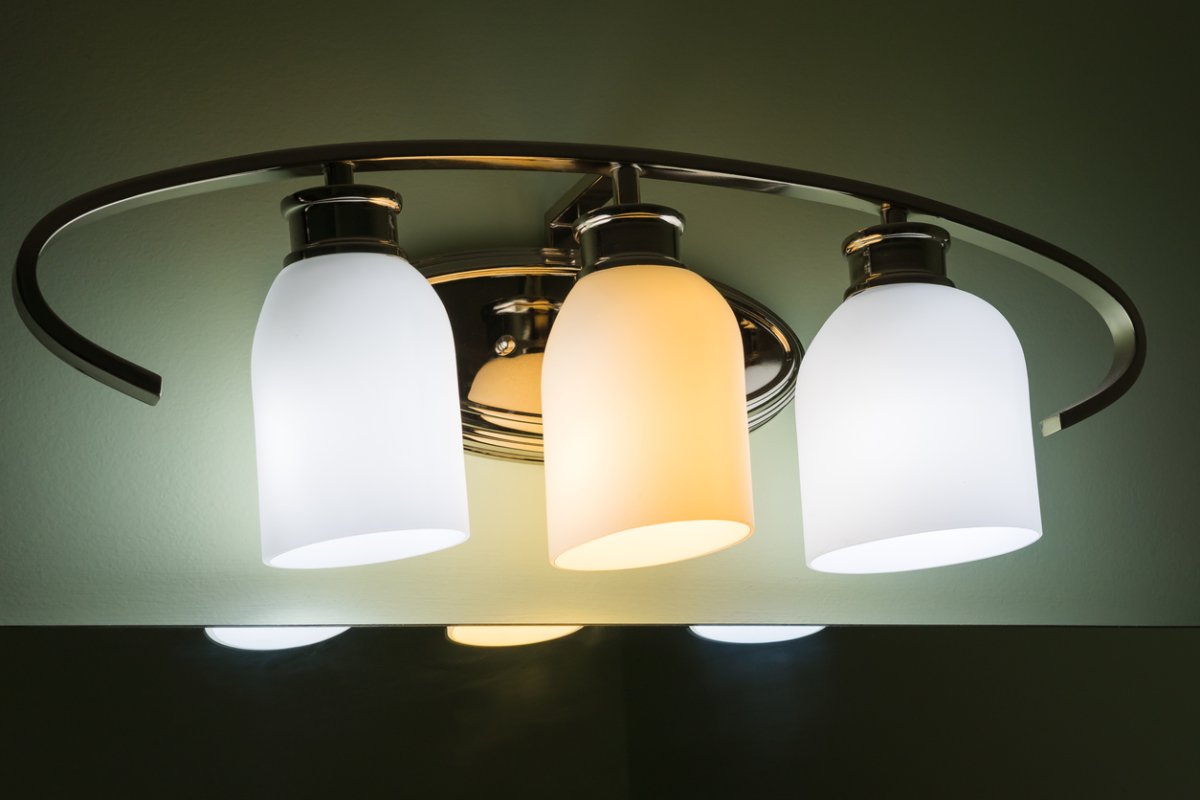
When you’re deciding between soft white and warm white bulbs, it’s essential to understand how color temperature affects the atmosphere in your space.
Soft white bulbs, with a lower Kelvin rating, emit a cozy, inviting light that’s perfect for relaxation. They create a warm ambiance in living areas and bedrooms.
On the other hand, warm white bulbs, while still offering a friendly glow, typically have slightly higher Kelvin values, making them ideal for task-oriented spaces like kitchens and entryways.
Understanding this distinction helps you choose the right bulb for your needs. By aligning the color temperature of your lighting with the function of your room, you can enhance both aesthetics and functionality, ensuring a harmonious environment throughout your home.
Ideal Scenarios for Soft White Bulbs

When you’re creating a cozy atmosphere in relaxed spaces, soft white bulbs are your best bet.
Their warm glow enhances ambient lighting, making bedrooms and reading nooks feel inviting and serene.
Relaxed Spaces
Soft white bulbs are perfect for creating a cozy atmosphere in relaxed spaces like bedrooms, living rooms, and reading nooks.
These bulbs emit a warm glow that fosters comfort and invites relaxation. When you want to unwind after a long day, soft white bulbs enhance the serenity of your environment, making them ideal for late-night reading or intimate conversations.
Their lower color temperature, typically around 2700K, mimics the natural light of sunset, promoting a sense of calm. Additionally, soft white bulbs improve the overall aesthetic of your decor, blending seamlessly with various styles.
Ambient Lighting
Although creating a cozy atmosphere often takes careful consideration, incorporating soft white bulbs into your ambient lighting strategy simplifies the process.
These bulbs emit a warm, inviting glow that enhances relaxation and comfort in any space. Ideal for living rooms, bedrooms, and reading nooks, soft white bulbs contribute to an environment where you can unwind.
By selecting the right color temperature, you can modify the mood to suit various activities, ensuring your ambient lighting consistently aligns with your lifestyle.
With their low Kelvin values, soft white bulbs promote a sense of tranquility, making them essential for creating an inviting atmosphere.
Elevate your space with innovative lighting solutions that fuse functionality and aesthetic appeal seamlessly.
Best Uses for Warm White Bulbs

While you might be tempted to use warm white bulbs throughout your home, knowing their best applications can enhance both functionality and ambiance.
Warm white bulbs work wonders in task-oriented areas like kitchens and entryways, where clarity is essential. They create a welcoming glow in dining rooms, making meals feel cozier and more inviting.
Additionally, these bulbs are excellent for accent lighting, highlighting artwork or architectural features without overpowering the space. In home offices, warm white bulbs foster a comfortable yet productive atmosphere.
The Role of Lumens in Brightness Selection

Selecting the right brightness for your space begins with understanding lumens, the unit that measures light output. Lumens indicate brightness, so when choosing bulbs, consider the lumen count to match your needs.
For instance, a cozy reading nook may require around 800 lumens for comfortable illumination, while a kitchen might demand over 1,500 lumens for peak visibility.
Unlike traditional incandescent bulbs that require more wattage for higher lumens, modern LED options offer greater efficiency, producing the same brightness with considerably lower energy consumption.
Creating Ambiance With Color Temperature

When you choose the color temperature of your bulbs, you’re directly influencing the ambiance of your space.
Warm light creates a cozy atmosphere, perfect for relaxation, while cool light enhances focus and energy in task-oriented areas.
Warm vs. Cool Light
Creating the right ambiance in any space hinges considerably on the color temperature of your lighting. When you choose soft white bulbs, you introduce a cozy, inviting glow perfect for relaxation in areas like bedrooms and living rooms.
Conversely, warm white bulbs excel at task-oriented spaces, providing clarity and focus in kitchens or workstations. Understanding the distinction between warm and cool light is essential; warm light, measured in lower Kelvins, creates a welcoming atmosphere, while cooler light enhances visibility and alertness.
Mood-Enhancing Lighting Choices
Achieving the perfect ambiance in your space hinges on the thoughtful selection of color temperature in your lighting.
For mood-enhancing experiences, soft white bulbs are your best ally. These bulbs emit a warm, inviting glow that creates a cozy atmosphere, ideal for relaxation areas like bedrooms and living rooms. When hosting gatherings, soft white lighting fosters intimacy and connection.
Conversely, if you aim for vibrancy and energy in workspaces, consider warm white bulbs. They provide a balance, offering bright yet comfortable illumination.
Practical Applications of Color
The interplay of color temperature in your lighting choices can greatly influence the ambiance of any space. By strategically using soft white bulbs, you can create a warm, inviting atmosphere perfect for relaxation in living rooms and bedrooms.
These bulbs emit a cozy glow, enhancing comfort. In contrast, warm white bulbs are ideal for task-oriented areas like kitchens and entryways, where clarity and focus are essential. They provide a balanced light that energizes and motivates.
Experimenting with different combinations can yield innovative effects; layer soft white and warm white bulbs to achieve depth and dimension in your design.
Ultimately, understanding these practical applications allows you to craft unique environments tailored to your lifestyle.
Lighting Layering Techniques for Different Spaces

When you layer lighting in different spaces, it’s essential to take into account the unique functions and atmospheres of each area.
Start with ambient lighting, like modern lighting chandeliers, to establish a warm base. Incorporate task lighting, such as sleek floor lamps or under-cabinet fixtures, to enhance functionality in kitchens or workspaces.
Accent lighting can elevate your design, drawing attention to artwork or architectural features. For cozy areas, opt for soft white bulbs, while warm white bulbs work best in invigorating settings.
Use dimmers to adjust brightness levels, allowing for versatility throughout the day. By implementing these innovative lighting layering techniques for different spaces, you’ll create a harmonious and inviting environment that caters to your lifestyle.
Choosing the Right Bulb for Your Décor Style
:max_bytes(150000):strip_icc()/sculpture-lamp-office-0721-2000-0a5161d2b80a4a3888d3041c6b6cc1d9.jpg)
How can you choose the perfect bulb to enhance your décor style? Selecting the right bulb can elevate your space, especially in modern farmhouse lighting. Here are three key factors to evaluate:
- Color Temperature: Soft white bulbs create a cozy atmosphere, while warm white bulbs add clarity for tasks.
- Fixture Compatibility: Match your bulb choice with fixture styles; Edison bulbs work well in rustic settings, while sleek designs suit contemporary aesthetics.
- Brightness Needs: Assess the room’s function; brighter bulbs can energize workspaces, while softer lighting enhances relaxation areas.
Frequently Asked Questions
Can I Mix Soft White and Warm White Bulbs in One Fixture?
You can mix soft white and warm white bulbs in one fixture, but be cautious. The contrast might create an unbalanced ambiance. Experimenting with both can yield unique lighting effects and enhance your room’s character.
Do Soft White Bulbs Consume More Energy Than Warm White Bulbs?
Soft white and warm white bulbs typically consume similar energy levels, especially with LEDs. However, incandescent versions may vary, requiring higher wattage for brightness. Choose energy-efficient options to enhance ambiance while minimizing consumption effectively.
How Do I Determine the Right Wattage for My Bulbs?
When lighting your space, think of wattage as the fuel for your ambiance engine. To find the right wattage, consider your fixture, desired brightness in lumens, and the bulb type for ideal efficiency and comfort.
Are There Any Health Effects From Different Color Temperatures?
Different color temperatures can impact your well-being. Warmer light promotes relaxation, while cooler light enhances focus. Experimenting with various temperatures helps you discover the most beneficial ambiance for your health and productivity in different environments.
How Often Should I Replace My Light Bulbs for Optimal Performance?
Think of your bulbs as racehorses, needing regular check-ups. Replace them every 1,000 to 2,000 hours of use for peak performance. This keeps your lighting vibrant and maintains the mood you desire in your spaces.
